Be yourself; Everyone else is already taken.
— Oscar Wilde.
This is the first post on my new blog. I’m just getting this new blog going, so stay tuned for more. Subscribe below to get notified when I post new updates.
Be yourself; Everyone else is already taken.
— Oscar Wilde.
This is the first post on my new blog. I’m just getting this new blog going, so stay tuned for more. Subscribe below to get notified when I post new updates.
For my assignment I have chosen to talk about cinematic shots. The reason I have chosen to talk about this is because I partake in a very large interest in this particular topic, along with many other video photographers. There are, a few different ways you can get your perfect cinematic shots and I’ve learned this through reading a lot of online blogs and watching many YouTube videos and tutorials. My favourite and easiest way to capture these types of shots would defiantly have to be drones. This is something I have taken up on my own time and would highly recommend using if you were into film.
When I first started becoming interested in drones I watched hundreds of YouTube videos and did pages of research to learn and educate myself about the different types of drones and what they were used for. There were a few videos and people that really stuck out to me while doing this research and still do until this day. The first one being a man by the name of Peter McKinnon. This You Tuber that I’ve discovered has broken down everything you need to know about getting your perfect shot, from planning ahead of time, to the types of shots and the effect it has onscreen when you watch over your videos. I think Peter is successful at what he does because he takes the time to study what he loves and practices constantly to become even better. Even if that means taking thirty minutes out of his day to create a short cinematic video everything adds up in the end to benefit him and what he’s working towards.
Another person who I really look up to and influences me is Casey Neistat the reason I look up to him is because his videos really show the viewer how he gets his cinematic shots step by step in detail as well as tips and tricks you can use if you don’t have enough money for all the equipment I like that he can adjust to his audience and not assume everyone is able to buy all the crazy expensive stuff. He is also very honest and reviews hundreds of products for cinematic film and what they’re individually used for.
Personally I plan on achieving this level of success buy sticking to filming or researching something on cinematic film at least a few times every week even if that means watching a few YouTube videos and going out and flying my drone to learn what angles and types of shots work best. Something I’ve also really thought really hard about is your location where you’re shooting, making an effort to drive to different locations to get your perfect cinematic shot can make a huge difference Some tips I’ve learned to help with this try and shoot in a open field, mountains or over water to help with that cinematic feel. These are some things I’ve tried before and will continue to push my boundaries and try new things to become a better version of myself when it comes to Cinematic shots.
The pictures I took really represent someone’s everyday life and what they do to pass their time at home. When capturing these photos I really wanted to put into focus every small detail from their everyday hobbies. For example the clothing played a really big part on telling my story and giving the viewer a sense of what the photo was being taken of and the action and props explaining what the person was doing. The lighting also helps show every fine detail of what’s happening in their facial expressions and to what’s around them.
The three photos show below are a perfect example of what I was talking about in the paragraph above. These three photos I believe to be the strongest out of the five because they all clearly show his hobbies through the colours and the environment that he’s in.
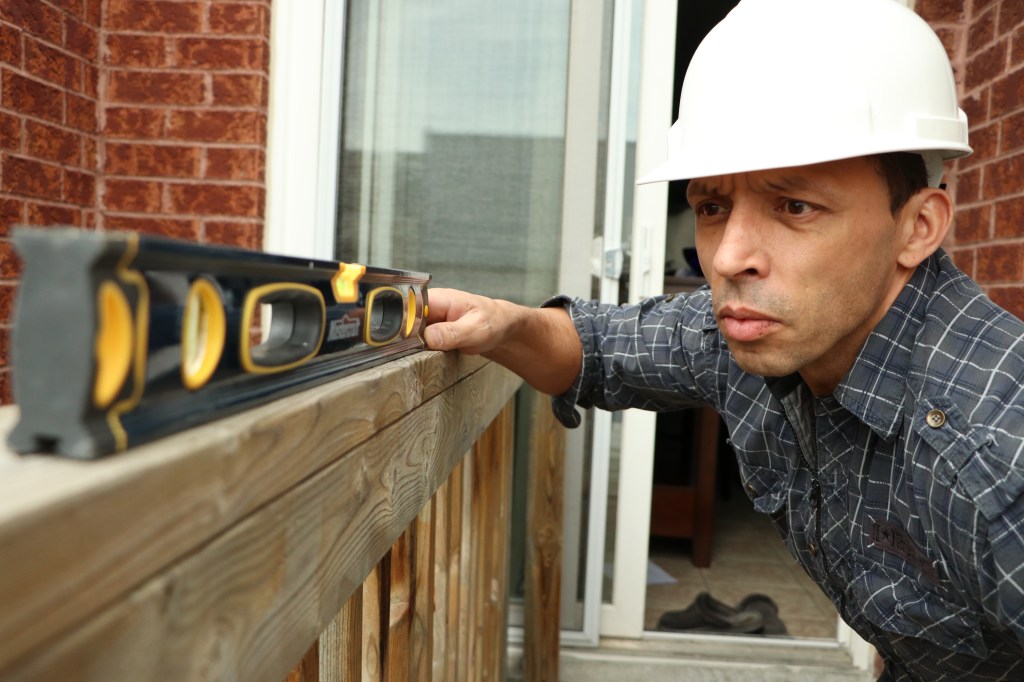
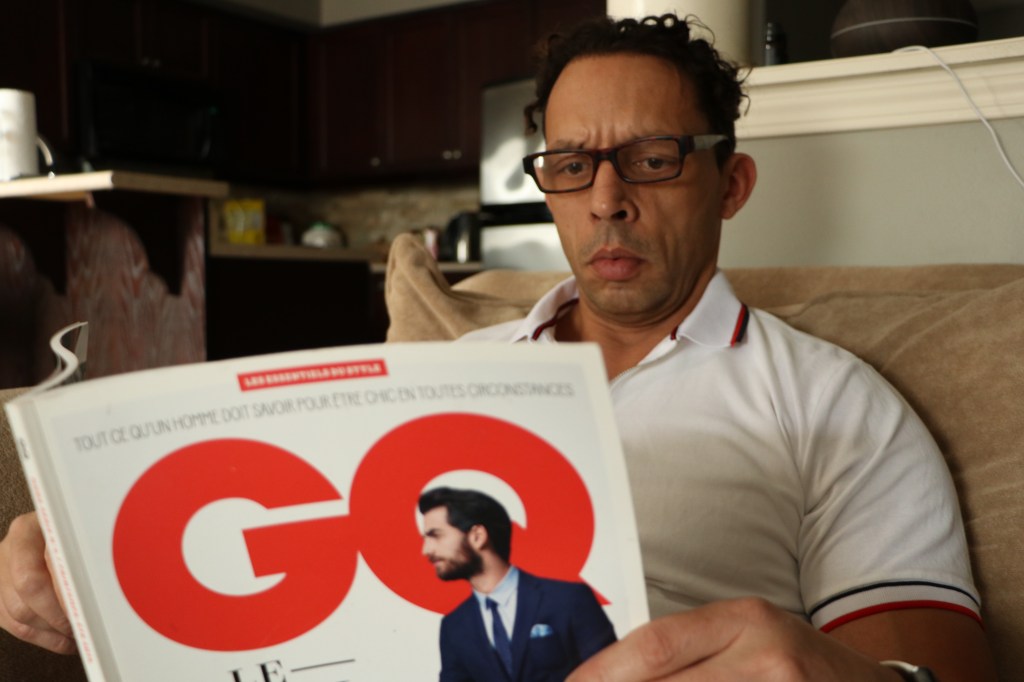
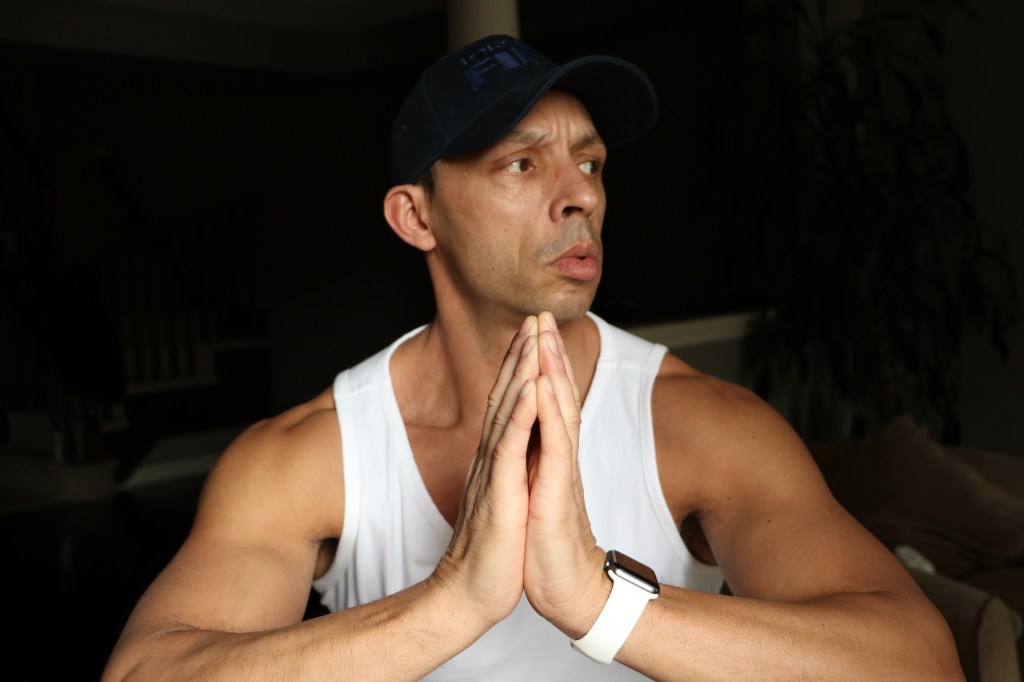
While making my viral video I tried to make it cute, funny and relatable. During the process I had a few obstacles to overcome but I managed to surpass them. I hope the message will show the importance of peanut butter and its health benefits to my audience .https://vimeo.com/395731339
For my creative image capture assignment I tried to make sure everything was in focus, I also tried to show the fine detail in each and every photo including the colours and textures within the photo this assignment really helped me think outside the box.

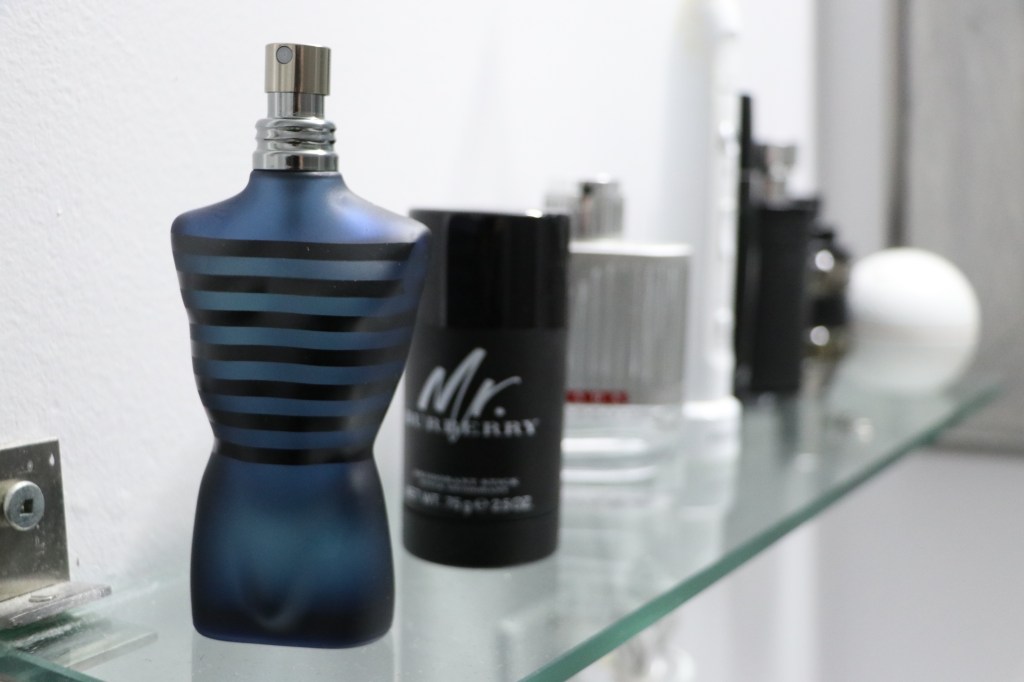
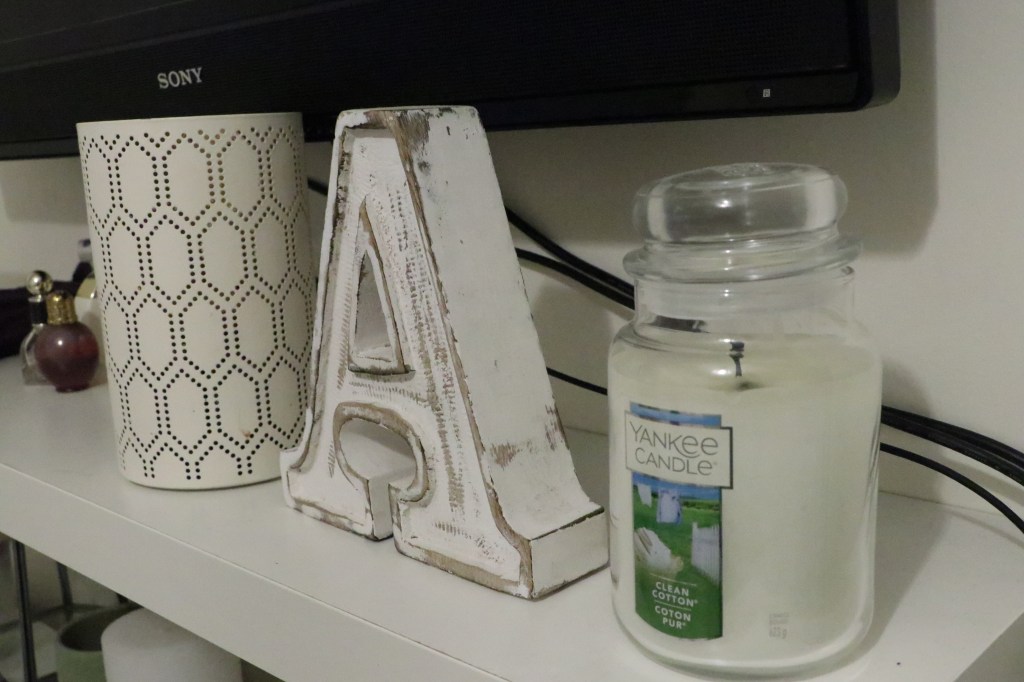
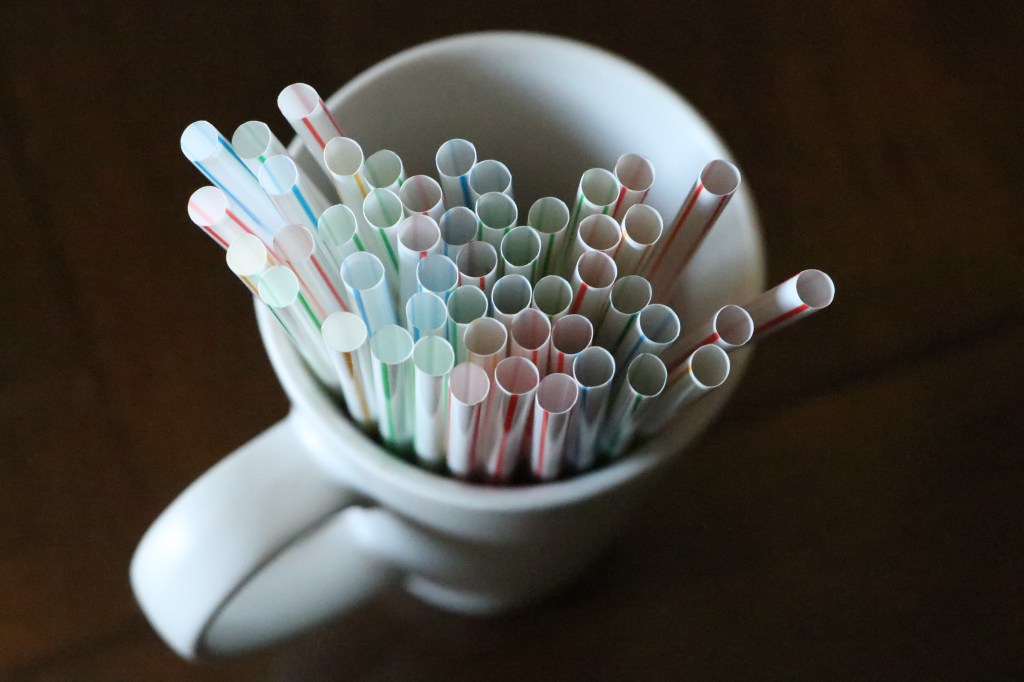

For my instagram photo and video assignment I really tried to get creative and involved into my posts, each post has a story behind it, Selecting which photos I was going to use as well was a big challenge for me. I really enjoyed this scavenger hunt because it not only let me step outside the box it let me show my creative side.
This is an example post, originally published as part of Blogging University. Enroll in one of our ten programs, and start your blog right.
You’re going to publish a post today. Don’t worry about how your blog looks. Don’t worry if you haven’t given it a name yet, or you’re feeling overwhelmed. Just click the “New Post” button, and tell us why you’re here.
Why do this?
The post can be short or long, a personal intro to your life or a bloggy mission statement, a manifesto for the future or a simple outline of your the types of things you hope to publish.
To help you get started, here are a few questions:
You’re not locked into any of this; one of the wonderful things about blogs is how they constantly evolve as we learn, grow, and interact with one another — but it’s good to know where and why you started, and articulating your goals may just give you a few other post ideas.
Can’t think how to get started? Just write the first thing that pops into your head. Anne Lamott, author of a book on writing we love, says that you need to give yourself permission to write a “crappy first draft”. Anne makes a great point — just start writing, and worry about editing it later.
When you’re ready to publish, give your post three to five tags that describe your blog’s focus — writing, photography, fiction, parenting, food, cars, movies, sports, whatever. These tags will help others who care about your topics find you in the Reader. Make sure one of the tags is “zerotohero,” so other new bloggers can find you, too.

 Asias Blog